
Destinations
The most popular places to visit in Tanzania plus beautiful hidden gems
Where to go in Tanzania
Tanzania is a country full of remarkable features as well as unforgettable natural attractions and home to over 120 tribes with more than 120 different languages. The different landscapes include mountains (including Africa’s highest mountain – Mount Kilimanjaro), forests, endless savannah plains, deep craters, and gorges, Miombo woodlands, arid flatlands, and white sandy beaches.
Tanzania has been blessed with more than twenty national parks and game reserves which are visited by large numbers of travellers from near and far every year. From elephants to lions and birds – it truly is a nature lover’s paradise.

Arusha National Park
Only 50km from Arusha this park offers unique activities to explore nature, including trekking Mount Meru. Low predator numbers mean that you can experience every corner of the park during a guided walk. Every turn provides you with amazing views of Mount Kilimanjaro and Mount Meru. Walk past herds of buffalo and giraffes to Tululusia waterfall, Ngurdoto crater and incredible viewpoints. Guided canoe safaris on Lake Momella are another highlight. Gently paddle along watching hippos whilst Fish Eagles call out above. Wading waterbuck, zebra, and warthog can be seen along the shoreline and the ~400 bird species create amazing birdwatching.

Lake Manyara National Park
Only 50km from Arusha this park offers This small park on the Northern Circuit is an ideal stop-off on the way to the Serengeti National Park. It is a beautiful place for nature lovers to unwind on the first few days of a safari. Lions reside here, but they can be difficult to spot. Buffalo are a species found in large numbers along the forested shoreline. Being home to one of the Rift Valley’s alkaline lakes, large numbers of flamingos can be seen seasonally feeding on the lake’s algae. The dry season makes for the best wildlife viewing. Enjoy spending time in nature, away from busy city life!activities to explore nature, including trekking Mount Meru. Low predator numbers mean that you can experience every corner of the park during a guided walk. Every turn provides you with amazing views of Mount Kilimanjaro and Mount Meru. Walk past herds of buffalo and giraffes to Tululusia waterfall, Ngurdoto crater and incredible viewpoints. Guided canoe safaris on Lake Momella are another highlight. Gently paddle along watching hippos whilst Fish Eagles call out above. Wading waterbuck, zebra, and warthog can be seen along the shoreline and the ~400 bird species create amazing birdwatching.
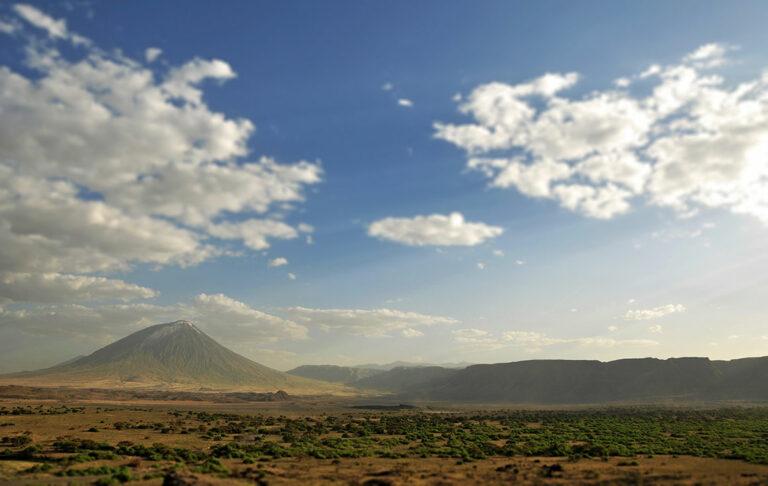
Lake Natron & Ol Doinyo Lengai
An off the beaten track adventure not far from the popular Northern Circuit. Hot, dusty, and outer worldly: Lake Natron and its surroundings show you an unreal landscape that photographers will adore. During the dry season evaporation from Lake Nation triggers an algae reaction that turns this huge alkaline lake red. A phenomenon that can be seen from space. If birds or animals drink the lake’s toxic water, they will die. The flamingo is the exception. Having evolved to live in this hostile environment, ~2.5 million flamingos come here to breed. Waves of pink flamingos feed on the algae, whilst the impressive shape of Ol Doinyo Lengai stands in the background – a conical-shaped volcano and home to the Maasai’s god, Ngai.
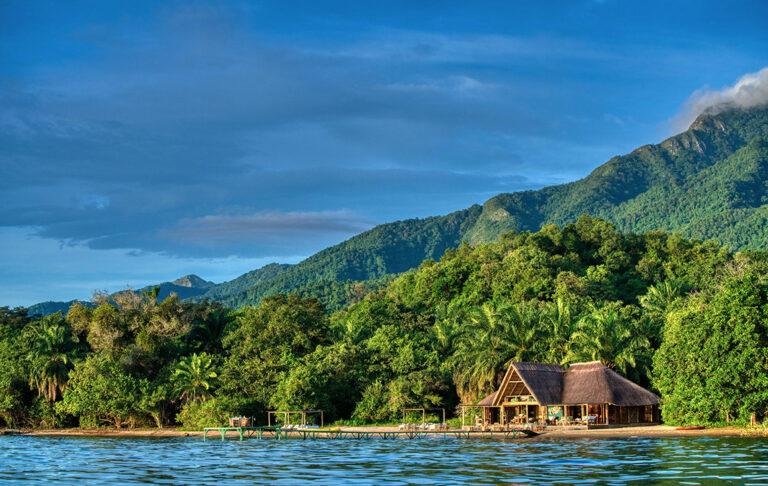
Mahale Mountains National Park
Mahale feels like a fairytale dreamland where forested mountains rise away from the white sandy beaches of Lake Tanganyika. Sundowners on a dhow is the best way to take in the views of this tropical paradise. Accessed by plane and then boat, Mahale Mountains National Park is a remote park with very few visitors and offers a chance to disconnect from the world. The forested park can only be accessed on foot. Discover forest waterfalls and swim in the plunge pools, spot outstanding birdlife and with a bit of luck even rare primates such as chimpanzees. Relax, snorkel or dive after a forest trek.

Mikumi National Park
Only 218 km from Dar es Salaam, Mikumi National Park makes a wonderful stop-off on the Southern Circuit. Not only huge, it is beautiful. The Ruhebo and Uluguru mountains rise on the northern boundary, whilst acacias, baobabs and tamarinds dot the savannah. Four out of the Big Five, with only the rhino being absent, await you. Large herds of elephants, buffalos, and antelopes reside on the Mkata plains whilst along the forested riverbanks, lions and leopards lie in ambush. Highlights include seeing the rare Wild Hunting Dog and a guided walk to Kinole Waterfall to swim in the plunge pool.

Mkomazi National Park
This park is undiscovered and underrated, with stunning views of Mount Kilimanjaro and an exceptional story to tell – from natural disaster to unfolding restoration and the re-introduction of the Black Rhino and the Wild Hunting Dog. An important migratory route, especially for elephants, exists with Kenya’s Tsavo National Park. However, during the 1950s poaching wiped out the Black Rhino and only eleven elephants remained. In the 1980s the authorities were determined to reverse the situation. Today, ~500 elephants and ~200 Wild Dogs roam free, and the Black Rhinos are in a protected sanctuary. Numerous antelopes including Oryx, plus harder-to-see lions, leopards, cheetahs, and hyenas all reside here

Mount Kilimanjaro National Park
The majority of visitors here have one goal in mind – to trek to the peak of Arica’s highest mountain, which can be realised on a Mount Kilimanjaro trek. However, dig deeper and you will discover why this mountain with its five distinctive vegetative zones and unique wildlife was declared a UNESCO World Heritage Park. The best way to do this is by joining a one-day hike to the Shira Plateau. Having driven through the band of trees where primates and birds reside, the walk to Shira Crater commences at 3500m. Enjoy outstanding views and an unforgettable experience at your own pace

Ruaha National Park
Located on the Southern Circuit Ruaha National Park is for people hoping to discover amazing wildlife with fewer visitors. The park is the border, or melting pot, between two sets of fauna and flora – you will find plants and wildlife of Eastern as well as Southern Africa in Ruaha. An almost unimaginable ~1650 plant species have been identified here. Needless to say, animal and bird life is outstanding, especially during the dry season when the Ruaha River attracts an incredible number of predators and prey to its banks to provide you with nerve-gripping moments of life and death. What’s more, huge herds of elephants can also be seen swaying gently under the shade of giant baobab trees. Since it’s not on the popular Northern Circuit, Ruaha sees far more visitors despite being a top safari destination.

Ngorongoro Crater
A highlight and world-renowned classic on the Northern Safari Circuit: Descend to the bottom of the world’s largest intact caldera to see some of the world’s best wildlife in the Ngorongoro Crater. 20 km in diameter this incredible landscape with open plains, lakes and woodlands can leave you speechless. It is a natural wonder on the Northern Circuit and one of the most popular attractions. Countless species of animals and birds live in this fertile haven. Even the Black Rhino resides here, making the possibility of seeing the Big 5 very real. Only giraffes are absent as it is believed that the crater walls are too steep for their long legs to handle.

Selous & Nyerere National Park
The Selous Game Reserve and Nyerere National Park have been described as one of the largest remaining wildernesses in Africa. The Miombo woodlands are home to a higher diversity and density of species than anywhere else. Thanks to these qualities it was declared a UNESCO World Heritage Site. It is possible to see the Big 5 during game drives, boat safaris and guided walks, as well as some of the largest populations of elephants, buffalo, hippos and even lions here. However, the rare Black Rhino and Wild Dog that live here can be difficult to spot. An unforgettable experience awaits you. Thanks to its large size and location in Southern Tanzania, there are fewer visitors and it doesn’t feel crowded.

Serengeti National Park
This park borders six conservation areas, including Kenya’s Masai Mara National Reserve and the Ngorongoro Conservation Area, creating a vast ecosystem, which allows ~1.5 million wildebeest to complete one of the largest wildlife migrations on the planet. This results in an intense interaction between predators and prey. Witness this phenomenon on a migration safari. However, as one of Tanzania’s oldest parks and as a UNESCO World Heritage Site, it offers world-class wildlife viewing all year round with a high likelihood of seeing the Big 5. You can discover stunning landscapes, including vast grasslands, granite formations called Kopjes, tree-lined rivers and beautiful ranges of hills. From back to basics to exclusive luxury camps, there are many different accommodation options to choose from
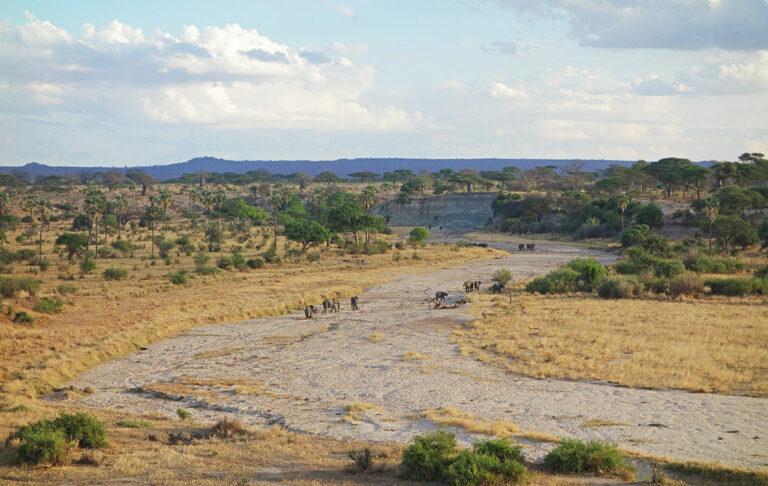
Tarangire National Park
Tarangire National Park is for elephant lovers. Found in northern Tanzania, it is home to a very special geological formation, the Tarangire River. During the dry season, this winding river acts like a huge magnet, drawing numerous animals out of the landscape to reside at the river until the rains return. On safari, you can see countless tracks meandering towards the river. They have been formed by the massive pads of one of Tanzania’s largest populations of elephants. This beautiful park offers exceptional wildlife viewing with lions and leopards residing along the river. Over ~500 bird species create superb bird watching.
Tarangire National Park
Tarangire National Park is for elephant lovers. Found in northern Tanzania, it is home to a very special geological formation, the Tarangire River. During the dry season, this winding river acts like a huge magnet, drawing numerous animals out of the landscape to reside at the river until the rains return. On safari, you can see countless tracks meandering towards the river. They have been formed by the massive pads of one of Tanzania’s largest populations of elephants. This beautiful park offers exceptional wildlife viewing with lions and leopards residing along the river. Over ~500 bird species create superb bird watching.
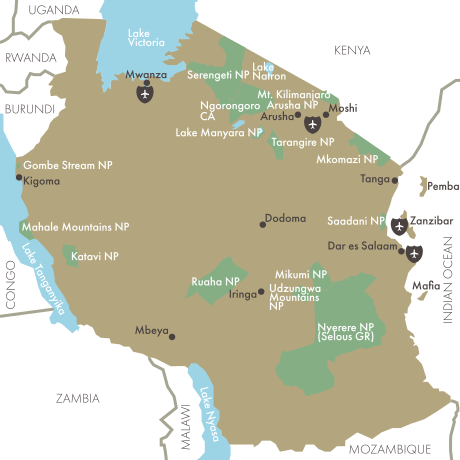
MAP OF TANZANIA
This map shows the location of some of Tanzania’s twenty-two national parks. You can roughly divide them into the Northern, Southern and Western Circuits.
